Why Titanium and Stainless Steel Cutting Boards Are Bad for Your Kitchen
If you've been eyeing a titanium or stainless steel cutting board because the marketing promised you the cleanest, most durable kitchen surface money can buy, you're not alone. These boards have surged in popularity over the past few years, and they certainly seem appealing. But once you dig past the bold cleanliness claims, the real-world picture tells a very different story.
TL;DR: Why Wood Beats Metal Cutting Boards
- Metal boards = rapid knife dulling and microscopic blade damage
- Constant sharpening costs add up fast — metal boards can demand 25x more sharpening per year
- Hard surfaces = safety risks, louder cuts, and more hand fatigue
- "More hygienic" claims are mostly marketing — proper cleaning matters more than material
- Wood boards = better for your knives, your wallet, and your kitchen
So, why are stainless steel and titanium boards so bad? The short answer? Metal cutting boards will seriously damage your knives, create genuine safety hazards in the kitchen, and cost you far more money in the long run than they save. Here is everything you need to know before you buy.
The #1 Problem: Metal Cutting Boards Destroy Your Knives
This isn't a minor inconvenience. It's the single most important reason to avoid metal cutting boards for everyday cooking. And yet it's also the most overlooked.
How Knife Dulling Actually Works
Your knife edge isn't a perfect, smooth V-shape. Under a microscope, it has tiny serrations that do the real cutting work. Every time your blade contacts a surface, those tiny teeth experience friction and abrasion. Softer surfaces like wood or plastic absorb some of that impact and protect the blade. Hard surfaces, however, push right back.
Your knife edge looks razor-sharp to the naked eye, but under a microscope you'll find a jagged row of tiny ridges, more like a microscopic saw than a smooth blade. These ridges are what actually do the cutting. Every time your blade contacts a surface, those tiny ridges experience friction and abrasion. Softer surfaces like wood or plastic absorb some of that impact and protect the blade. Hard surfaces, however, push right back
Stainless steel cutting boards are notorious for this. As Tasting Table explains, each chop on a stainless steel surface produces direct metal-on-metal friction that rapidly wears down even a well-sharpened blade.¹ The result is a knife that dulls in a fraction of the time it otherwise would.
Titanium board marketers like to point out that titanium is technically softer than knife-grade steel, and that's true. But the comparison is misleading. When you stack titanium up against wood, titanium is significantly harder and far more damaging. As one analysis by The Rational Kitchen notes, titanium is a much harder surface than these alternatives, and it's genuinely terrible for your knife edges.²
Micro-Chipping: The Damage You Can't Even See
Dulling is bad enough, but micro-chipping is arguably worse. When high-carbon steel knives are repeatedly used on a metal cutting surface, the edge doesn't just dull gradually. It can develop tiny chips and fractures along the blade. Walker Metalsmith confirms that repeated use on hard metal surfaces increases the risk of micro-chipping, especially with high-carbon steel knives.³ These micro-chips are nearly invisible to the naked eye, but they leave your knife's edge jagged and unreliable, and fixing them often requires a full resharpening or even professional blade repair.
The Hidden Cost of Constant Sharpening
Most professional and even home chefs using a quality wooden board sharpen their knives once a month or every few months. Switch to a metal cutting board, and that frequency can skyrocket. One Quora contributor with decades of cooking experience described sharpening up to 300 times a year when regularly using hard metal surfaces, compared to about 12 times a year with appropriate materials.⁴ And don't forget: your sharpening tools wear out faster too, which adds yet another layer of ongoing cost.
If you've invested in quality knives, whether a Japanese chef's knife, a high-carbon steel slicer, or even a solid mid-range German blade, putting them on a metal cutting board is simply not a risk worth taking.
The Cutting Experience Is Harsh, Loud, and Fatiguing
Beyond what metal boards do to your knives, there's also the simple reality of what it feels like to actually use one. Metal surfaces offer zero "give" when cutting. Instead of a smooth, fluid slicing motion, every chop hits a rigid, unforgiving surface. Testing consistently shows that stainless steel and titanium boards are the loudest cutting surfaces by a wide margin, producing sharp clanking and scraping sounds with every teeth-clenching stroke.
Compared to wood, metal cutting boards tend to produce:
- Less control and precision when slicing
- More hand and wrist fatigue during extended prep sessions
- A noticeably unpleasant sound and jarring feel with each chop
Good cooking should feel intuitive and comfortable. Metal boards have a way of making it feel mechanical and exhausting instead.
Metal Cutting Boards Create Real Safety Risks: Slippery Surfaces and Unpredictable Knife Movement
A great cutting board does something most people never think about: it grips. Softer materials like wood allow the knife edge to very slightly sink in with each stroke, giving the cook subtle but important control and preventing the blade from skating sideways. Metal boards offer none of that resistance.
As Koppenhouse's analysis of stainless steel boards describes, the hard surface offers no give, and knives can slide unpredictably when cutting soft items like tomatoes or cheese, increasing accident risk especially for less experienced cooks.⁵ A knife that skids off a tomato skin and across a metal surface isn't just frustrating. It's a genuine injury risk. And if the board itself slides on the counter (many metal boards lack the rubber feet or solid weight that keep quality wooden boards firmly planted), the danger compounds quickly.
Dull Knives Are the Most Dangerous Tool in the Kitchen
This is one of the most fundamental rules of kitchen knife safety, and metal cutting boards put you directly in its path. A sharp knife cuts cleanly with minimal pressure. A dull knife requires more force to do the same job, and it's far more likely to slip off food and toward your fingers. Because metal boards dull knives so rapidly, they indirectly make your entire kitchen environment more hazardous over time.
Are Metal Cutting Boards Actually More Hygienic? (Not Really.)
Hygiene is the strongest selling point for both titanium and stainless steel cutting boards, and it deserves a fair look. Both materials are non-porous, meaning they don't absorb liquids, odors, or bacteria the way an unsealed wooden board can. They're also easy to clean and generally dishwasher-safe, and that part is genuinely true.
But there are two important nuances that this deceptive marketing conveniently leaves out.
First, the USDA's Food Safety and Inspection Service (FSIS) states plainly that consumers can safely use either wood or nonporous surfaces for cutting raw meat and poultry, as long as the board is washed thoroughly with hot, soapy water after each use.⁶ Proper cleaning protocol matters far more than the material itself.
Second, once a metal cutting board develops grooves from repeated knife contact, and it will, those grooves can trap bacteria just as readily as any other scored surface. The non-porous advantage depends entirely on that surface staying smooth and undamaged. And while metal is harder than wood or plastic, knife edges can and do score even metal surfaces over time, particularly on lower-quality boards. Once that happens, the hygiene argument weakens considerably.
What You Should Use Instead: The Best Cutting Board for Your Kitchen
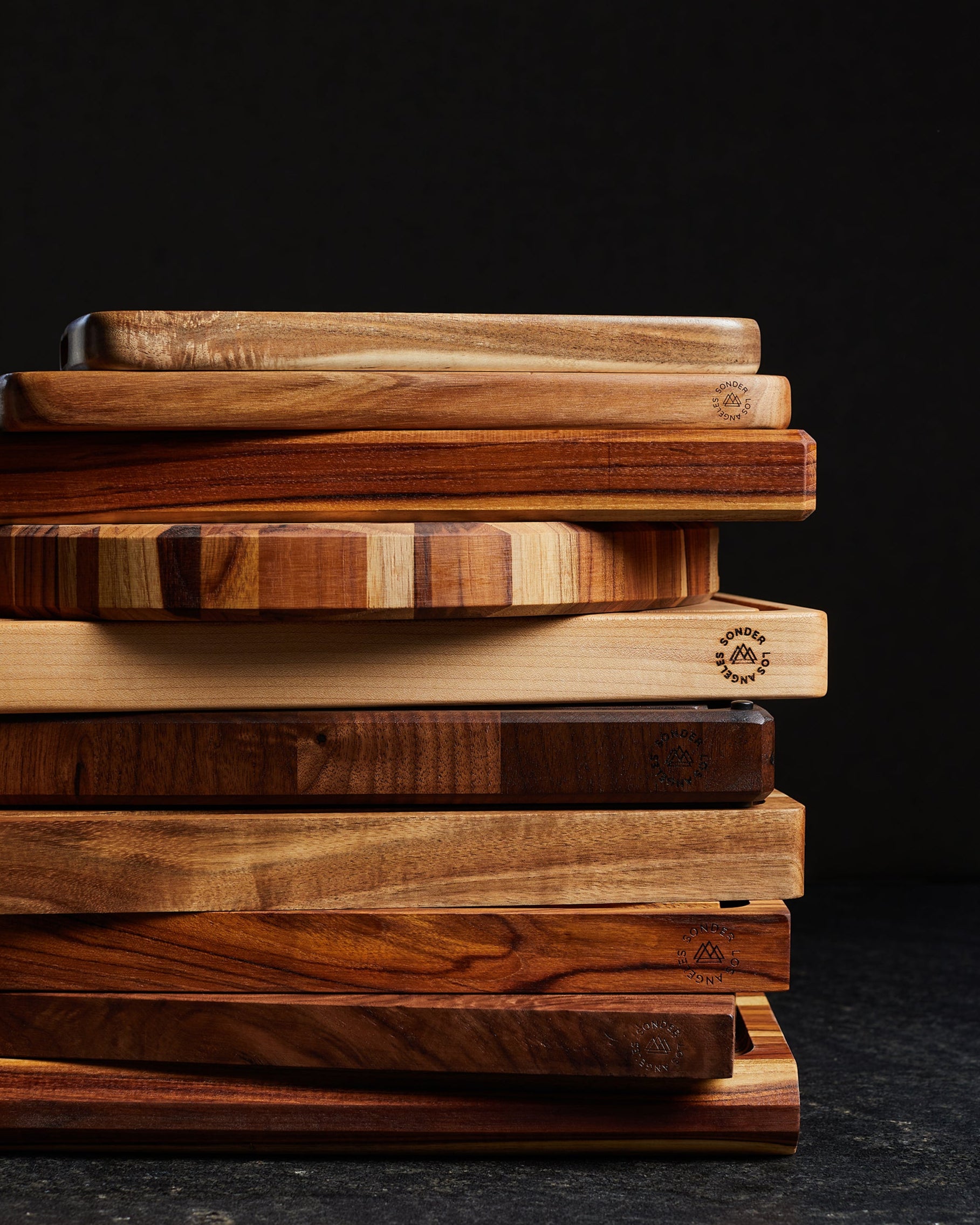
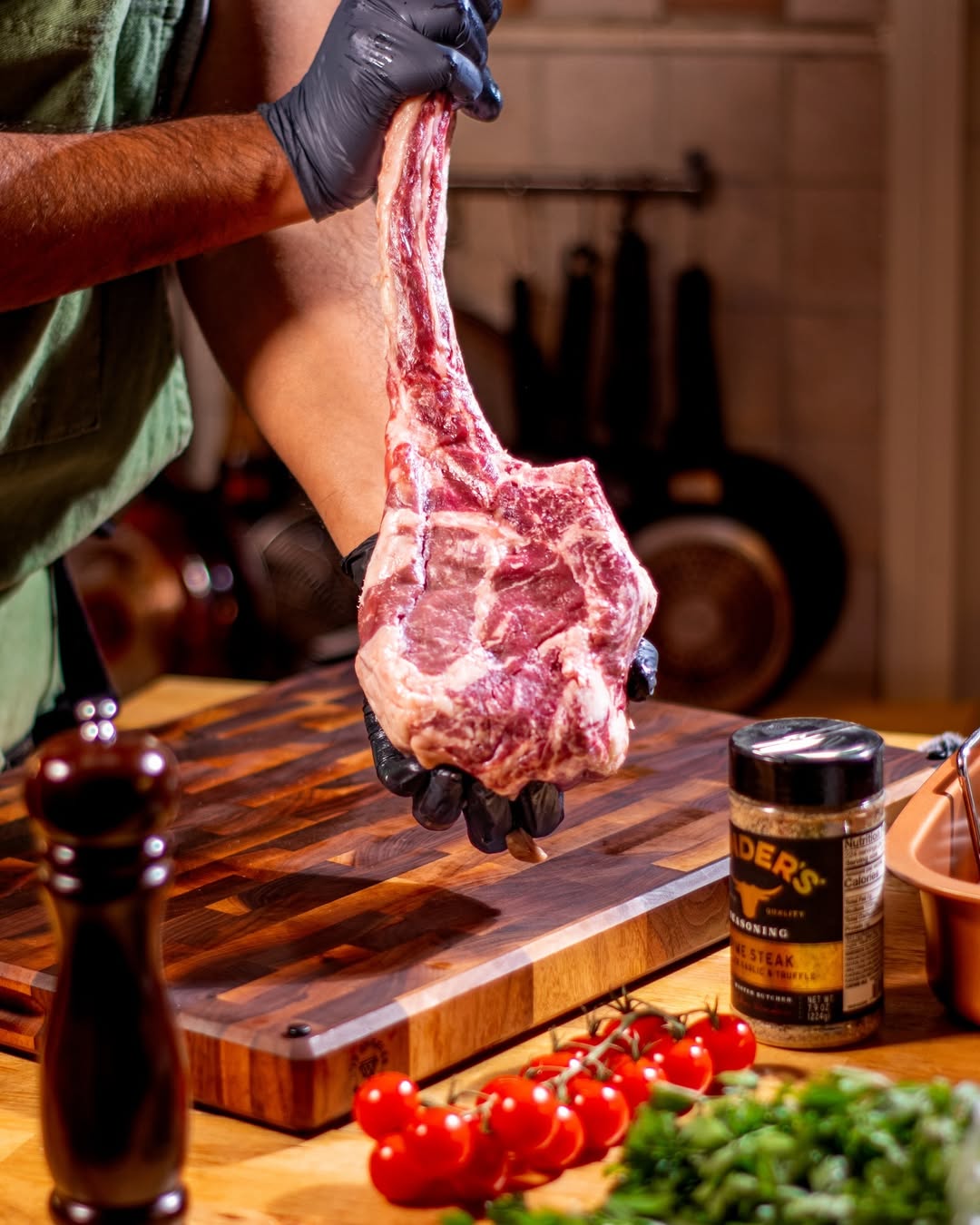
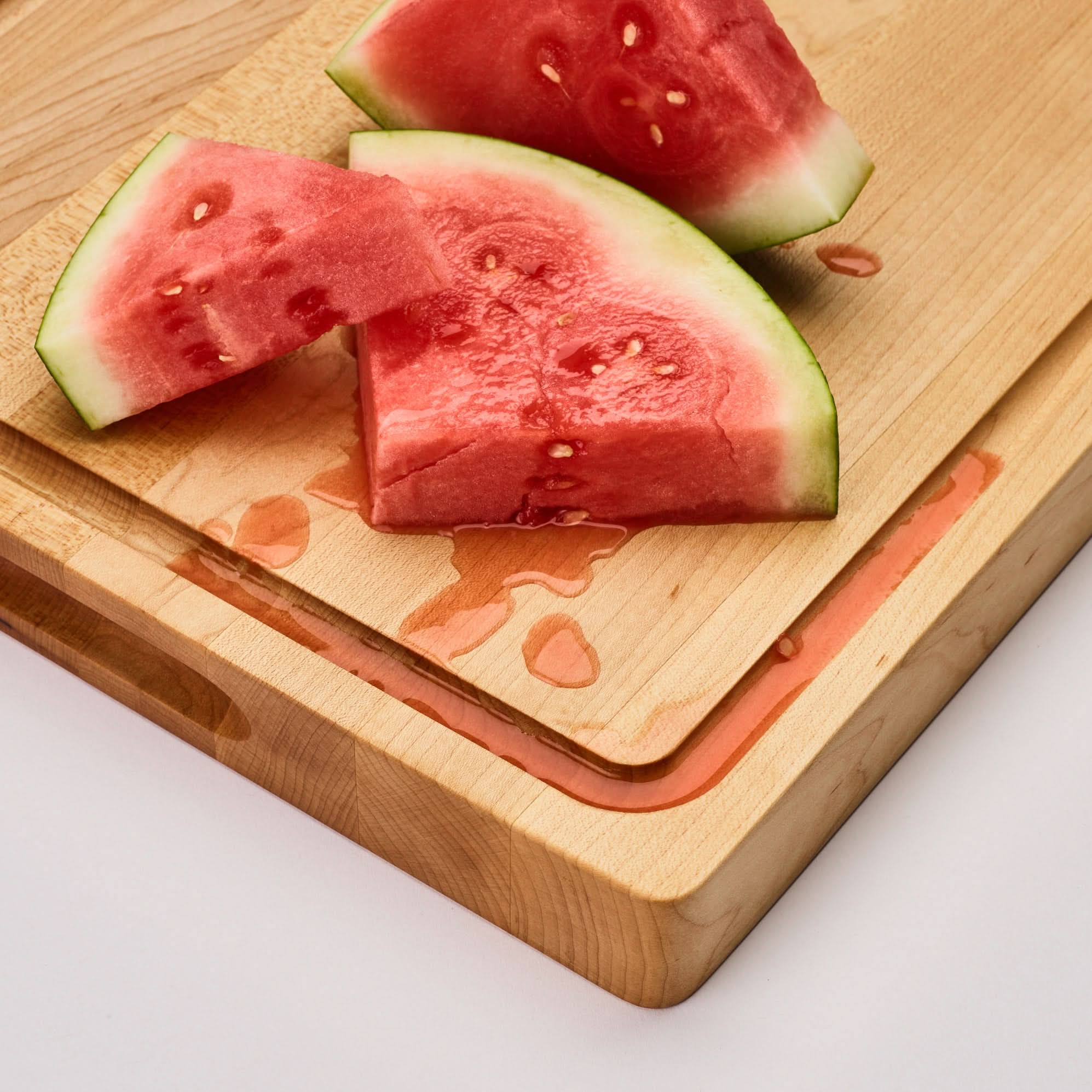
If you want the best cutting board for everyday cooking, the answer is high quality wood, specifically like maple or walnut.
End-grain constructed boards are specifically designed so that the wood fibers face upward, which allows the knife edge to pass between them rather than scraping across them. This dramatically reduces blade wear even more and protects your investment in quality knives. Wood also has natural antimicrobial properties, and with regular conditioning, can last for many years of daily use. The Kitchn, citing multiple culinary experts, identifies end-grain wood as the best choice for everyday cooking and long-term knife longevity.⁷
Learn more about End-Grain Boards here.
Final Verdict: Save Your Knives, Skip the Metal Board
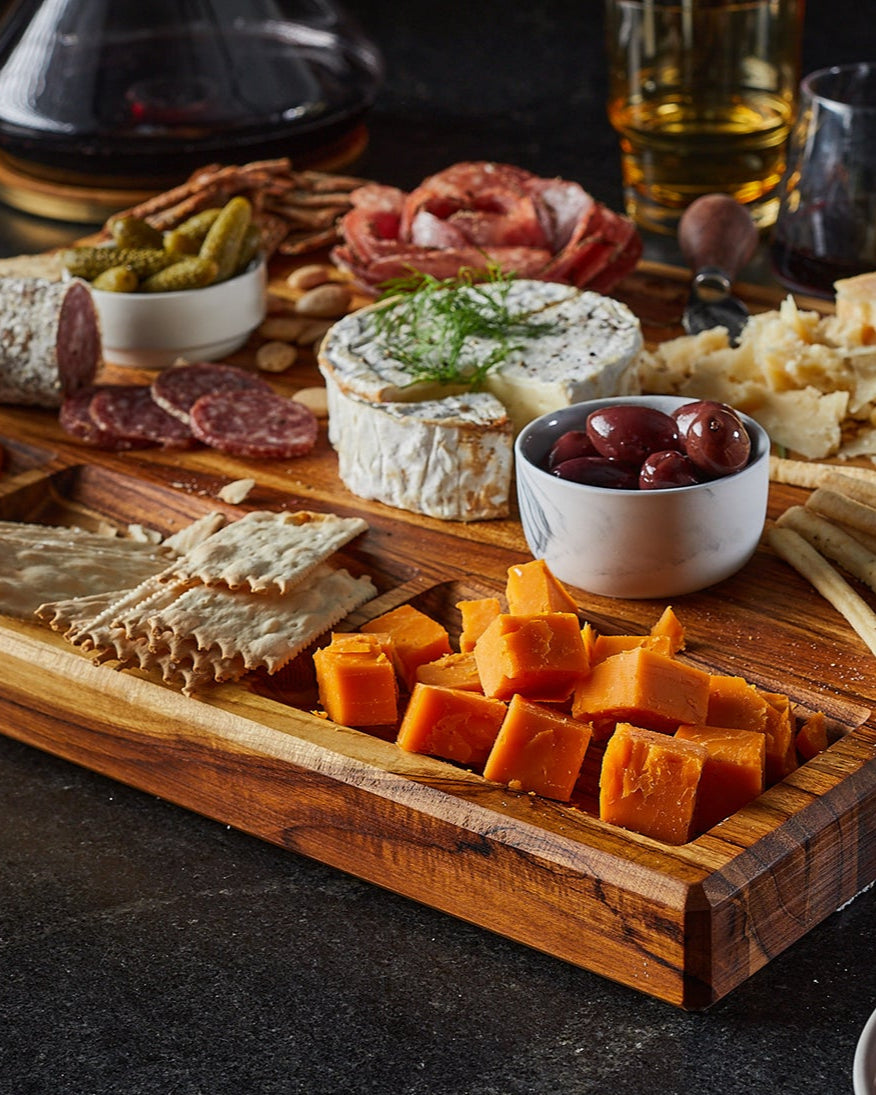
Titanium and stainless steel cutting boards make compelling marketing claims. And for non-cutting uses, like serving a charcuterie spread, briefly resting a hot pan, or displaying food, a metal board can be a reasonable choice.
But for actual, everyday food preparation with your knives? They're a poor investment. They dull and micro-chip your blades faster than any other common surface, create slip and safety risks during cutting, fill your kitchen with unnecessary noise, and don't offer meaningfully better hygiene than a well-maintained wood or plastic board.
The best cutting board for your kitchen is one that protects your knives, stays stable during use, and is easy to keep clean. A quality wood board will serve you better, cost you less over time, and keep your knives sharper for longer, and that's a difference you'll feel every single time you cook.
Footnotes
⁴ Quora